




Introduction
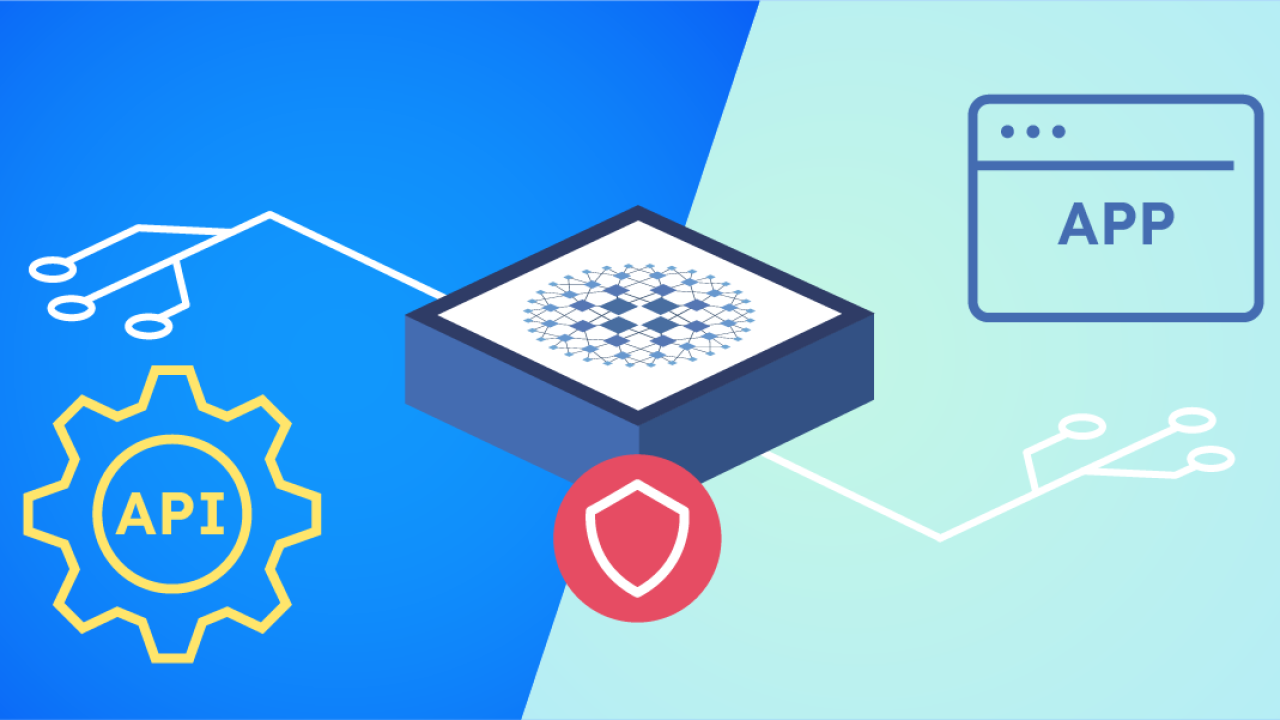
Modern applications rely heavily on APIs to connect users, applications, mobile devices, third-party services, and cloud platforms. APIs enable organizations to build scalable products and deliver seamless digital experiences—but they also create new opportunities for attackers.
As APIs become more common, they have become one of the most targeted attack surfaces for cybercriminals.
A vulnerable API can expose sensitive customer information, allow unauthorized access, or provide attackers with a pathway into critical systems.
API security testing helps organizations identify weaknesses in their APIs by simulating real-world attacks against authentication mechanisms, access controls, data handling, and API functionality.
Unlike traditional web application testing, API security testing focuses specifically on how applications communicate behind the scenes and whether those connections are properly secured.
For a broader overview of application security testing, see our complete guide to web application penetration testing.
What Is API Security Testing?
API security testing is a security assessment designed to identify vulnerabilities within application programming interfaces (APIs).
APIs act as communication channels between different software systems. They allow applications to exchange data and perform actions without requiring users to interact directly with the underlying systems.
During API security testing, ethical hackers evaluate whether APIs can be manipulated or abused by attackers.
Testing may include:
- Authentication testing
- Authorization testing
- Input validation testing
- Data exposure testing
- Rate limiting testing
- Business logic testing
- API configuration reviews
The goal is to determine whether attackers could:
- Access unauthorized data
- Perform unauthorized actions
- Bypass security controls
- Manipulate application functionality
- Compromise connected systems
Why APIs Are a Major Attack Surface
APIs have become a preferred target for attackers because they often provide direct access to sensitive functionality and data.
Common reasons APIs are targeted include:
APIs Handle Sensitive Data
APIs frequently process valuable information, including:
- Customer records
- Financial information
- Healthcare data
- Authentication tokens
- Business transactions
A single API vulnerability can expose large amounts of sensitive information.
APIs Are Often Less Visible Than User Interfaces
Organizations typically spend significant effort securing customer-facing applications, but APIs may receive less attention.
Many vulnerabilities exist because:
- APIs were developed quickly
- Security testing was limited
- Documentation is incomplete
- Access controls were not properly implemented
APIs Expand the Attack Surface
Every API endpoint represents a potential entry point.
Organizations may have hundreds or thousands of endpoints supporting:
- Web applications
- Mobile applications
- Internal systems
- Third-party integrations
- Cloud services
Each endpoint must be properly secured.
API Security Testing vs Web Application Penetration Testing
API testing and web application testing are related but focus on different areas.
Web Application TestingAPI Security TestingFocuses on user-facing applicationsFocuses on application communication layersTests browser-based functionalityTests API endpoints and requestsEvaluates user interactionsEvaluates data exchange and backend logicMay not cover API-specific risksSpecifically targets API vulnerabilities
Many modern applications require both assessments because securing the user interface does not guarantee that APIs are secure.
What Does API Security Testing Include?
A comprehensive API security test evaluates multiple areas.
Authentication Testing
Authentication determines how users and systems prove their identity.
Testing may evaluate:
- Weak authentication mechanisms
- Token handling
- Session management
- Credential exposure
- Authentication bypass
Weak authentication can allow attackers to impersonate legitimate users.
Authorization Testing
Authorization controls what users are allowed to access.
API security testing evaluates whether attackers can:
- Access another user's information
- Perform unauthorized actions
- Escalate privileges
- Modify restricted resources
Broken authorization is one of the most common and impactful API security issues.
Broken Object Level Authorization (BOLA)
BOLA vulnerabilities occur when APIs fail to properly verify whether a user should have access to a specific resource.
Example:
A user requests:
/api/customer/12345
By changing the identifier:
/api/customer/12346
an attacker may access another customer's information.
These vulnerabilities can result in significant data exposure.
Input Validation Testing
APIs accept user-controlled input, which creates opportunities for manipulation.
Testing may identify:
- Injection vulnerabilities
- Malicious input handling
- Parameter manipulation
- Data validation issues
Data Exposure Testing
APIs should only return the information necessary for their intended purpose.
Testing evaluates whether APIs expose:
- Sensitive customer information
- Internal system details
- Authentication data
- Excessive response data
Rate Limiting and Abuse Testing
Attackers may attempt to abuse APIs through:
- Automated requests
- Brute force attacks
- Denial-of-service techniques
- Excessive data extraction
Testing evaluates whether appropriate protections exist.
API Security Testing and the OWASP API Security Top 10
The OWASP API Security Top 10 identifies common risks affecting APIs.
A comprehensive API security test commonly evaluates issues such as:
Broken Object Level Authorization
Attackers access resources they should not be able to access.
Broken Authentication
Weak authentication allows attackers to compromise accounts.
Unrestricted Resource Consumption
APIs lack controls to prevent abuse.
Unrestricted Access to Sensitive Business Flows
Attackers manipulate legitimate functionality.
Server-Side Request Forgery (SSRF)
Attackers force applications to make unauthorized requests.
Security Misconfiguration
Incorrect settings create unnecessary exposure.
API Security Testing Process
A typical API security assessment follows several phases.
1. Planning and Scope Definition
The testing team identifies:
- APIs in scope
- Authentication requirements
- Testing objectives
- Business functionality
2. API Discovery
Testers analyze:
- Available endpoints
- API documentation
- Data flows
- Authentication methods
3. Security Testing
The assessment evaluates:
- Access controls
- Input validation
- Authentication
- Business logic
- Data exposure
4. Exploitation Validation
Security professionals safely demonstrate whether vulnerabilities can actually be exploited.
5. Reporting and Remediation
The final report includes:
- Vulnerability findings
- Severity ratings
- Evidence
- Business impact
- Recommended fixes
Who Needs API Security Testing?
API security testing is especially important for organizations that:
- Build SaaS applications
- Provide customer-facing platforms
- Use third-party integrations
- Process sensitive information
- Operate mobile applications
- Support enterprise customers
Industries that commonly benefit include:
- Financial services
- Healthcare
- Technology companies
- E-commerce
- Government contractors
When Should Organizations Perform API Security Testing?
Organizations should consider API testing:
- Before launching new APIs
- During application development
- After significant API changes
- Before enterprise customer onboarding
- During compliance preparation
- As part of regular penetration testing programs
Integrating API security testing into the software development lifecycle helps organizations identify issues before they reach production.
Conclusion
APIs are essential to modern applications, but they also represent one of the most important attack surfaces organizations must secure. API security testing helps identify vulnerabilities in authentication, authorization, data handling, and application logic before attackers can exploit them.
By proactively testing APIs, organizations can protect sensitive information, improve application security, and reduce the risk of data breaches.
Framework Security provides API security testing designed to uncover real-world vulnerabilities and help organizations strengthen the security of their applications and integrations.


Talk With A Cybersecurity Expert
Bring the deadline you're staring at, the framework you're being held to, and the team you have. In 30 minutes we'll tell you honestly whether we're the right fit — and if we are, what the first two weeks look like.
Book a working session